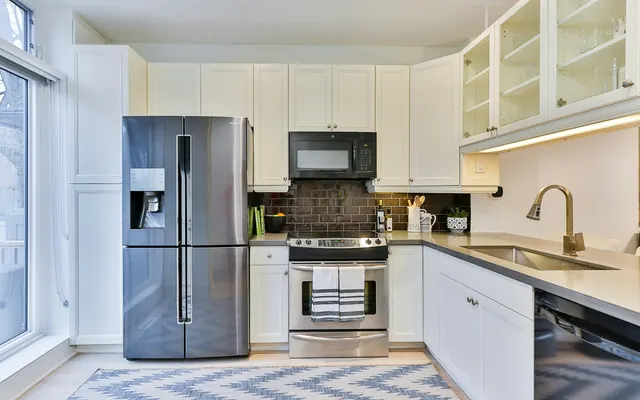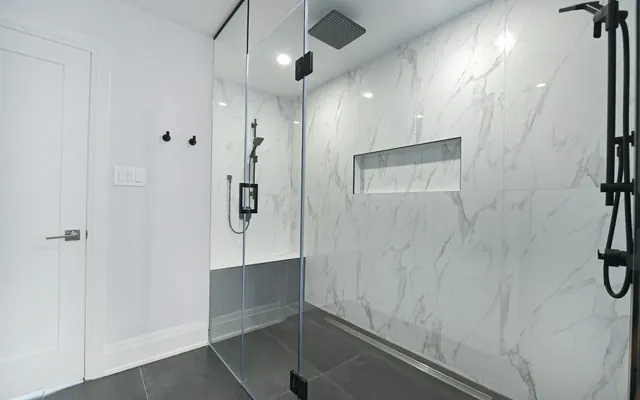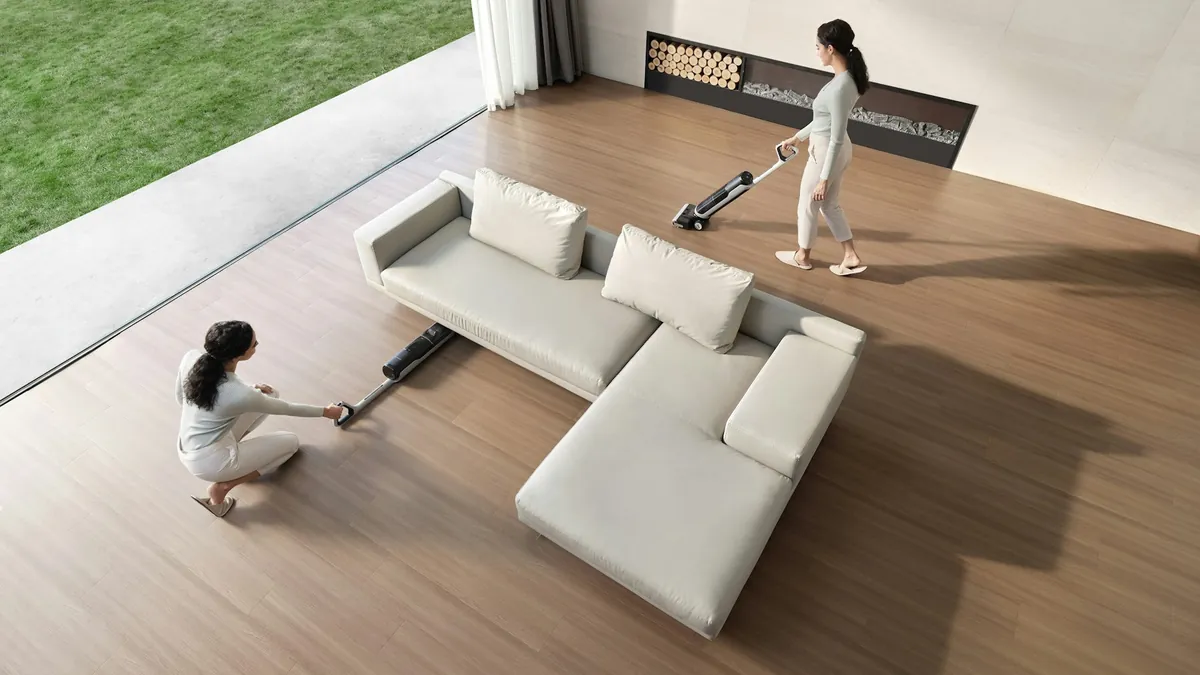
Clean floors last, after everything above them. Vacuum thoroughly, including edges and corners. Mop tiles with warm water and a pH-neutral cleaner, scrub grout lines with a stiff brush and a bicarb paste, and rinse. On timber and laminate, use a barely damp microfibre mop and a cleaner made for that finish, never a soaking-wet mop or steam. Finish by wiping skirting boards so dust from them doesn't land on the clean floor.
Floors are what everyone notices walking in. Dusty corners, sticky patches and dull grout make a whole clean look unfinished, while the wrong product can damage timber and leave you with a repair bill instead of a cleaning one.
The order matters
- Ceiling fans, light fittings, cobwebs
- Blinds, windows and tracks
- Walls, switches, doors and cupboards
- Skirting boards
- Vacuum, then mop, working towards the door
Tiles and grout
- Vacuum or sweep to remove grit, which scratches when mopped.
- Mop with warm water and a pH-neutral floor cleaner. Change the water when it turns grey.
- Scrub grout with a stiff brush and a paste of bicarb soda and water. For dark grout in bathrooms, a diluted oxygen bleach works; rinse well.
- Rinse and dry so the floor doesn't streak.
Avoid acidic cleaners (including vinegar) on natural stone and on grout you want to keep sealed.
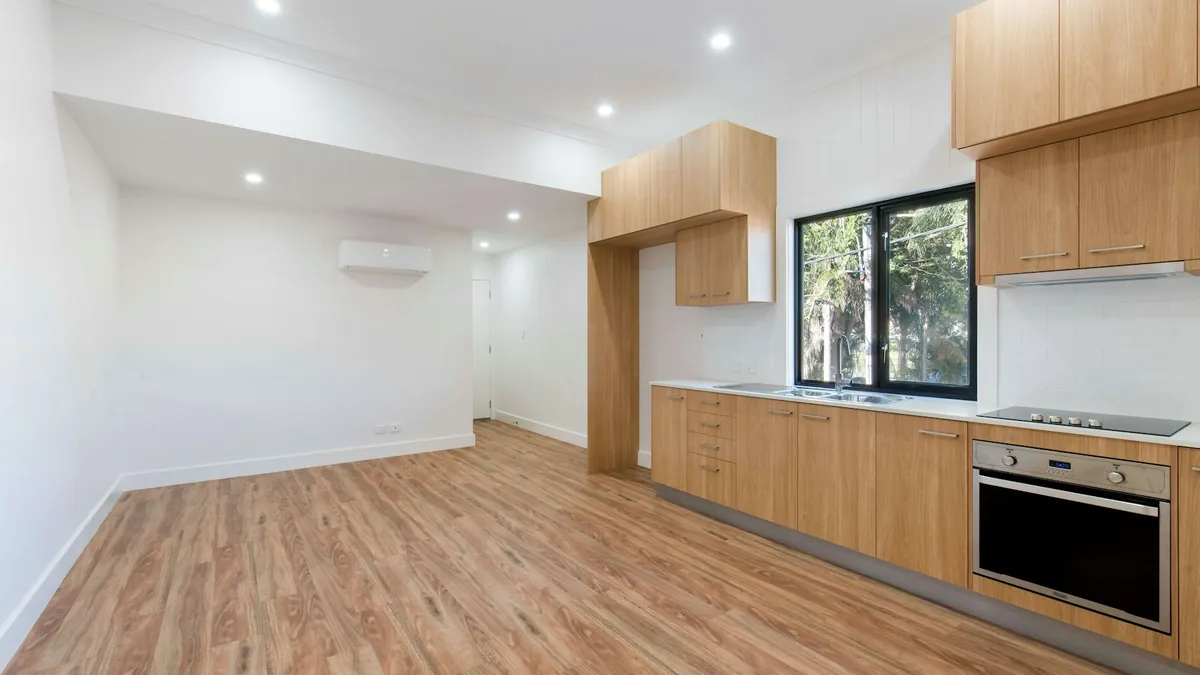
Timber and laminate
- Vacuum with a soft floor head, not a beater bar.
- Use a barely damp microfibre mop with a cleaner made for timber or laminate.
- Never flood the floor or use a steam mop. Water gets into joins and swells the boards.
- Remove scuffs with a tennis ball or a soft cloth and a drop of the floor cleaner.
Scratches and worn finish from normal living are usually fair wear and tear. Deep gouges from dragging furniture usually aren't.
Vinyl and hybrid floors
Vacuum, then mop with warm water and a mild cleaner. Avoid solvents and strong degreasers, which can dull the surface.
The spots agents check
- Corners and edges along skirting boards
- Under where the fridge and washing machine stood
- Around the toilet base
- Sliding door tracks (see cleaning window and door tracks)
- Inside wardrobes and the linen cupboard floor
Carpets too?
Carpeted rooms need a thorough vacuum at minimum. If you have stains, our guide to removing carpet stains before you move out will help, and our carpet steam cleaning can be added to a bond clean. Every bond clean we do vacuums and mops all hard floors to the agent's checklist.
How long floors take
For a 3 bedroom home with mixed tiles and timber, allow about 2 to 3 hours to vacuum, scrub grout in the wet areas and mop everything properly. Bathrooms and the laundry take longest, because grout needs scrubbing rather than just mopping. Plan floors as the very last job of the day, and once they're done, keep everyone off them until the inspection. Leave the front door mat in place so the agent doesn't track dirt over a clean floor.
Products to keep on hand: a vacuum with a soft floor head and a crevice tool, a flat microfibre mop with spare pads, a bucket, a stiff grout brush, bicarb soda, a pH-neutral floor cleaner and a cleaner made for timber or laminate. Change the mop water as soon as it looks cloudy, because dirty water leaves streaks that show up clearly in afternoon light.
Frequently asked questions
Can I use a steam mop on tiles?
On glazed ceramic or porcelain tiles, usually yes. Don't use one on timber, laminate or some vinyl and hybrid floors.
How do I get grout white again?
Bicarb paste and a stiff brush lifts surface dirt. Very stained grout may need a grout cleaner or oxygen bleach. Some discolouration is permanent and counts as wear.
What about floor polish?
Don't add polish or coatings the property didn't have. Return floors clean, not altered.

Written by the ECO Cleaning Brisbane teamWe're a locally owned bond cleaning company that has cleaned Brisbane rentals since 2010, working to the same checklists property managers use at the final inspection. About us.