Blot, don't rub. For most food and drink stains, blot up as much as you can, then apply a mix of a little dishwashing liquid in warm water, blot again and rinse with clean water. Use white vinegar and water for coffee and pet urine, and let mud dry before vacuuming. Test any product on a hidden spot first. Old, set-in or large stains usually need a hot water extraction (steam) clean, which is also what most agents expect if carpets were professionally cleaned at the start.
Carpet stains are one of the most visible problems at a bond inspection. The good news: many come out with household products and patience. The trick is using the right method for the stain, and not making it worse.
Before you start
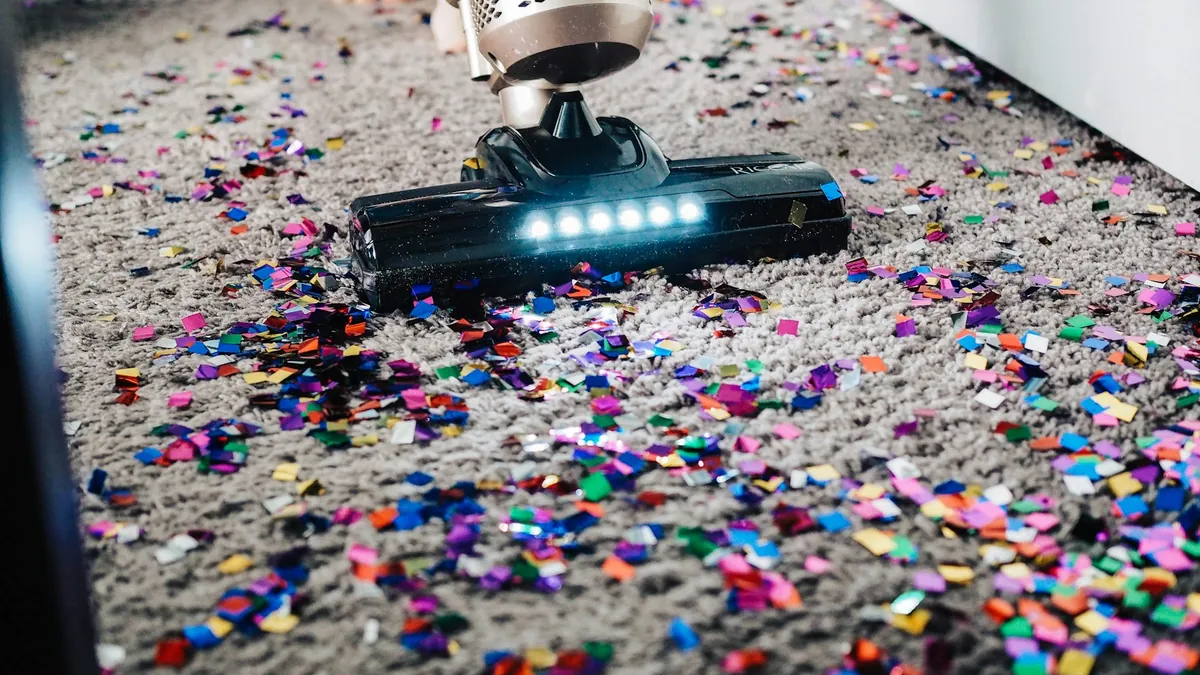
- Vacuum first so you're not grinding dirt into the stain.
- Test on a hidden area, such as inside a wardrobe, to check for colour change.
- Work from the outside in so the stain doesn't spread.
- Blot with white cloths; coloured cloths can transfer dye.
- Don't over-wet the carpet. Too much water can leave a ring and dampen the underlay.
Common stains and what works
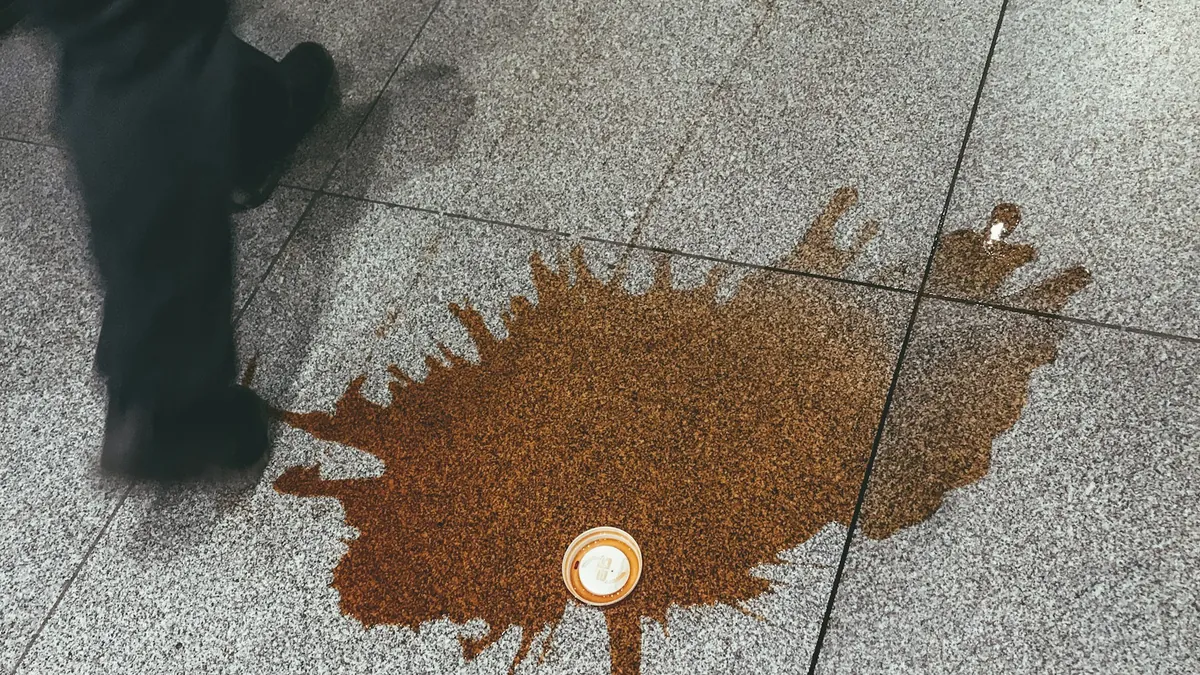
- Coffee and tea: blot, then apply one part white vinegar to two parts water with a drop of dishwashing liquid. Blot, rinse with clean water, blot dry.
- Red wine: blot immediately, dab with cold water, then the dishwashing liquid mix. Avoid hot water, which can set it.
- Food and grease: scrape off solids, sprinkle bicarb to absorb grease, vacuum, then use the dishwashing liquid mix.
- Mud: let it dry completely, break it up and vacuum, then treat any mark left with soapy water.
- Pet urine: blot, then vinegar and water to neutralise odour, rinse and blot. An enzyme cleaner helps with old odours.
- Blu-Tack or gum: harden it with an ice cube in a bag, then pick it off.
Stains that usually need a professional
Old, set-in stains, large areas, dark walkways, rust marks and dye stains often need hot water extraction, the method most people call steam cleaning. Some marks, like bleach spots and burns, are permanent damage rather than dirt, and no cleaning will remove them. Be honest with the agent about those.
Do you have to steam clean the carpets?
Not automatically. In Queensland the carpets need to be in the same condition as at the start of the tenancy, apart from fair wear and tear. A professional clean may be required by a pet approval, or expected if the entry report says the carpets were professionally cleaned. Our guide explains it: end of lease carpet cleaning in QLD.
Book a steam clean with your bond clean
Our carpet steam cleaning starts from $120 for the first room and $40 for each extra room (3 rooms from $200), with a discount when booked with a bond clean. We pre-treat stains first and tell you upfront which are likely to lift. If you have pets, read about flea treatment at the end of a lease too.
Odours
Pet and cooking smells can linger in carpet even when it looks clean. Sprinkle bicarb soda over the whole room, leave it for a few hours, then vacuum it up thoroughly. Open the windows while you work. For pet odours that keep coming back, a professional steam clean with an odour treatment usually works better than repeated surface cleaning.
Frequently asked questions
Can I hire a carpet cleaning machine instead?
You can, and it helps with general dirt. Hire machines are usually less powerful than professional equipment, and if your pet approval or entry report requires a professional clean, a receipt from a professional is the safer option.
Will steam cleaning remove every stain?
Most dirt-based stains lift. Bleach marks, burns and some dyes are permanent damage.
How long do carpets take to dry?
Usually a few hours, longer on humid Brisbane days. Book the carpet clean early, before the final inspection.

Written by the ECO Cleaning Brisbane teamWe're a locally owned bond cleaning company that has cleaned Brisbane rentals since 2010, working to the same checklists property managers use at the final inspection. About us.