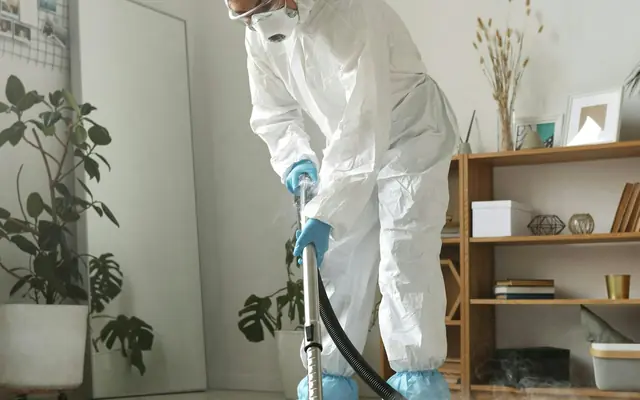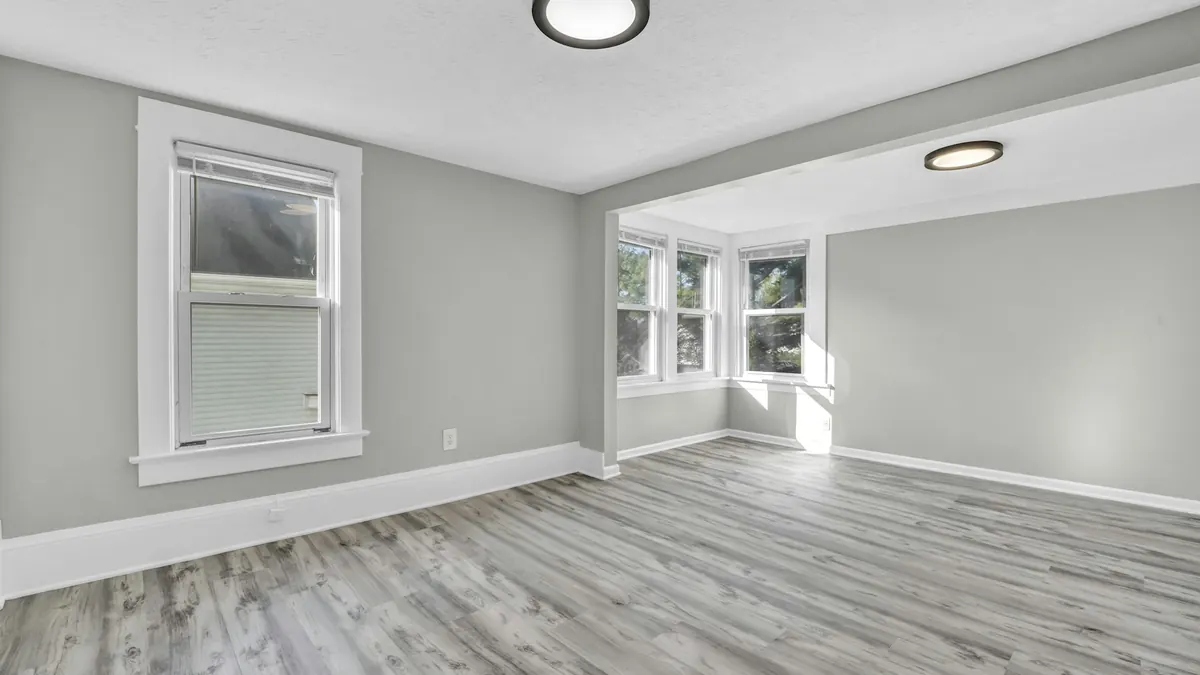
Fair wear and tear is the deterioration that happens through normal, reasonable use of a home over time, such as faded paint, worn carpet in walkways or loose door handles. Damage is harm caused by an accident, carelessness or misuse, such as holes in walls, burns, pet scratches or broken tiles. In Queensland you're not responsible for fair wear and tear, but you are responsible for damage and for leaving the place clean.
Queensland tenancy law asks you to leave the property in the same condition as at the start of the tenancy, apart from fair wear and tear. That last phrase protects you from paying for the home simply getting older. It doesn't cover dirt, though. Grime, grease and dust are a cleaning issue, not wear and tear, and they're the most common reason for bond deductions.
Examples by room
| Area | Usually fair wear and tear | Usually damage or cleaning |
|---|---|---|
| Walls | Faded or slightly dull paint, minor scuffs from furniture in normal use, small picture-hook marks where hanging was allowed | Holes from screws or nails without permission, Blu-Tack or tape that pulls paint, crayon, large gouges, grease marks left uncleaned |
| Carpet | Worn or flattened walkways, fading from sunlight, minor fraying at edges | Stains, burns, pet urine or scratching, rips, furniture indentations with tears |
| Kitchen | Worn benchtop finish, loose cupboard hinges, faded appliance knobs | Burns or cuts on the benchtop, broken shelves, baked-on oven grease, chipped sink from impact |
| Bathroom | Dull or worn enamel, minor grout discolouration with age, worn silicone | Soap scum and mould from lack of cleaning, cracked tiles from impact, broken towel rails |
| Floors | Light surface scratches on timber from normal walking, worn varnish | Deep gouges from dragged furniture, water damage from spills left to sit |
| Window furnishings | Sun-faded curtains, brittle blind cords from age | Torn curtains, bent or missing blind slats, pet damage |
| Outdoors | Weathered paint, fading of outdoor surfaces | Oil stains on the driveway or garage, overgrown or dead lawns where yard care was the tenant's job |
These are general examples, not legal rulings. Context matters: the age of the item, how long you lived there and what the entry condition report recorded.
Three questions to ask about any mark
- Was it already there? Check the entry condition report and your move-in photos. If it was recorded, it isn't yours.
- Did it come from normal living? Walking, sunlight, opening doors and ordinary use point to wear and tear.
- Could it have been prevented? Spills left to soak, a cigarette burn or a dog scratching a door point to damage.
Where cleaning fits in
Dirt is never fair wear and tear. If the property was clean when you moved in, the agent can expect it to be clean when you leave. That includes inside the oven, cupboards, window tracks, exhaust fans and shower screens. Many scuff marks also come off with the right technique, which turns a possible "damage" note into nothing. Our guide to cleaning walls for a bond clean shows how.
What about mould?
Under Queensland's minimum housing standards, the property must be free of damp and mould, unless the tenant caused it. Mould from a leaking roof or poor ventilation is the lessor's responsibility. Mould that grows because the bathroom was never aired or cleaned is usually the tenant's. See removing mould before the end of a lease.
If the agent claims damage you think is wear and tear
Ask for the claim and the evidence in writing, then compare it with your entry condition report and photos. Since 30 September 2024 the lessor or agent must give you supporting evidence within 14 days of lodging a claim or dispute. If you can't agree, the RTA's free dispute resolution service is the next step. Bond disputes in QLD explains the process.
For everything else the agent looks at, read what real estate agents check at a bond inspection or start with how to get your full bond back.
Frequently asked questions
Are Blu-Tack marks fair wear and tear?
Usually not. Blu-Tack often leaves an oily mark or pulls paint off when removed, which agents treat as damage unless hanging items that way was allowed. Remove it slowly by rolling a fresh piece over the residue.
Is faded paint fair wear and tear?
Yes. Paint fading or dulling with age and sunlight is normal deterioration.
Can the landlord charge me to repaint?
Only for damage you caused, and usually only a fair proportion considering the paint's age. A landlord can't charge you to repaint walls that simply aged.

Written by the ECO Cleaning Brisbane teamWe're a locally owned bond cleaning company that has cleaned Brisbane rentals for over 10 years, working to the same checklists property managers use at the final inspection. About us.