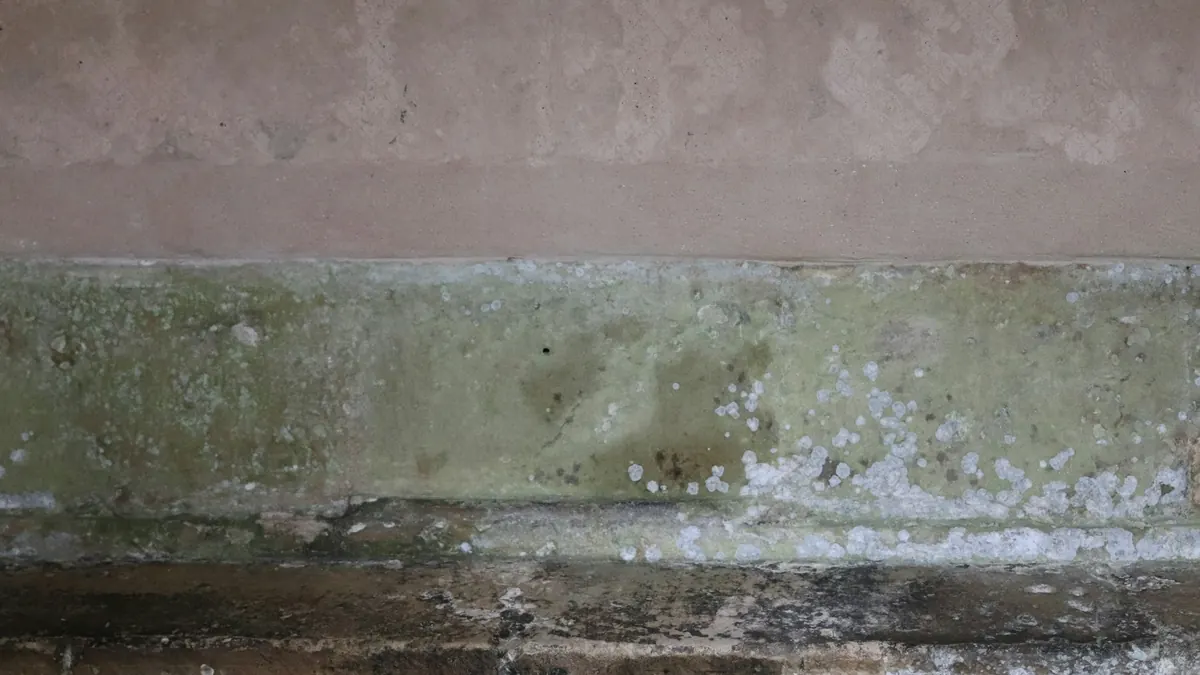
In Queensland the lessor must keep a rental free of damp and mould unless the tenant caused it. Surface mould from everyday living, such as on shower silicone or a wardrobe wall, is usually the tenant's to clean before moving out. Mould from leaks, rising damp or a broken exhaust fan is the lessor's responsibility, so report it in writing rather than just cleaning over it.
We see more mould on Brisbane bond cleans after a wet summer than at any other time of year. Humidity, closed-up rooms and bathrooms without windows all add up. The good news is that most surface mould cleans off. The important part is working out whose problem it is before you start.
Who is responsible for mould in a QLD rental?
Since 1 September 2024, all Queensland rentals must meet the minimum housing standards, which include being free of vermin, damp and mould. The standard doesn't apply if the tenant caused the mould. The RTA says responsibility for cleaning mould, and for any repairs, depends on the cause.
| Likely cause | Usually responsible |
|---|---|
| Roof or plumbing leak, rising damp, broken or missing exhaust fan, building defect | Lessor (report it in writing) |
| Shower not aired or cleaned, wet towels left in wardrobes, condensation never wiped, clothes dried indoors without ventilation | Tenant |
| Not sure | Clean what you safely can, photograph it, and raise it with the agent in writing |
If you reported mould or a leak during the tenancy, keep that email. It's strong evidence if the agent tries to claim mould cleaning from your bond.
How to clean surface mould safely
- Protect yourself. Wear gloves and a P2 mask, and open windows. If you have asthma or allergies, or the mould covers more than about a square metre, get a professional in.
- Use white vinegar first. Spray undiluted white vinegar onto the mould, leave it for an hour, then wipe with a clean damp cloth. Vinegar kills many common household moulds on hard surfaces.
- Use a mould remover for stains. For black staining on grout or silicone, a commercial mould remover often works better. Follow the label, ventilate well, and never mix it with vinegar or other products.
- Wipe, don't dry-brush. Brushing dry mould releases spores. Wipe with damp cloths and throw them away in a sealed bag.
- Dry the area. Leave windows open, run the exhaust fan and use a dehumidifier if you have one. Mould returns fast to damp surfaces.

Where to look before the inspection
- Bathroom ceiling, especially above the shower
- Shower silicone, grout and the base of the screen
- Inside built-in wardrobes on external walls
- Behind furniture that sat against cold walls
- Window frames and the rubber seals on aluminium windows
- Air-conditioner louvres and filters
- Under the kitchen and laundry sinks
When cleaning isn't enough
Mould that has grown into soft materials such as silicone, ceiling paint or carpet underlay often stains permanently. If it comes back within days of cleaning, there's likely a moisture source. Tell the agent in writing before the final inspection. Repainting or re-siliconing is maintenance and shouldn't come out of your bond unless your actions caused the mould.
Not sure how mould sits alongside normal ageing? See fair wear and tear vs damage in QLD.
Mould and your bond clean
Our bond cleans include cleaning surface mould on tiles, grout, silicone and ceilings within reach. For mould, we use stronger products than our usual eco-friendly range when that's what it takes to pass inspection. Heavy or widespread mould is quoted separately. Get a price on the bond cleaning prices page, and read how to clean a bathroom for a bond inspection for the rest of the wet areas.
Working through the rest of the house? Use our bond cleaning checklist and read how to get your full bond back.
Frequently asked questions
Can a landlord take mould cleaning out of my bond?
Only if you caused the mould, for example through not cleaning or ventilating. Mould from leaks, damp or building defects is the lessor's responsibility under Queensland's minimum housing standards.
Does vinegar kill mould?
Undiluted white vinegar kills many common household moulds on hard, non-porous surfaces. It may not remove dark staining, which sometimes needs a mould remover.
Should I paint over mould before I move out?
No. Painting over mould hides the problem, it usually comes back through the paint, and unauthorised painting can be treated as damage.

Written by the ECO Cleaning Brisbane teamWe're a locally owned bond cleaning company that has cleaned Brisbane rentals for over 10 years, working to the same checklists property managers use at the final inspection. About us.