Soak the racks overnight in hot water with bicarb soda, coat the inside of the oven with a bicarb paste and leave it overnight, then scrape and wipe it out and spray vinegar on any residue. Finish with the door glass (between the panes if the door comes apart), the seal, knobs and bottom drawer, and check every surface with a torch.
If there's one appliance a Brisbane property manager will open at the final inspection, it's the oven. It's quick to check, grease is easy to spot, and the entry condition report usually says "clean". That makes it one of the most common reasons tenants get a re-clean request or a deduction from their bond.
The good news: an oven that passes inspection is mostly about time and the right order of work, not harsh chemicals. Here's the method we'd use.
What the property manager actually checks
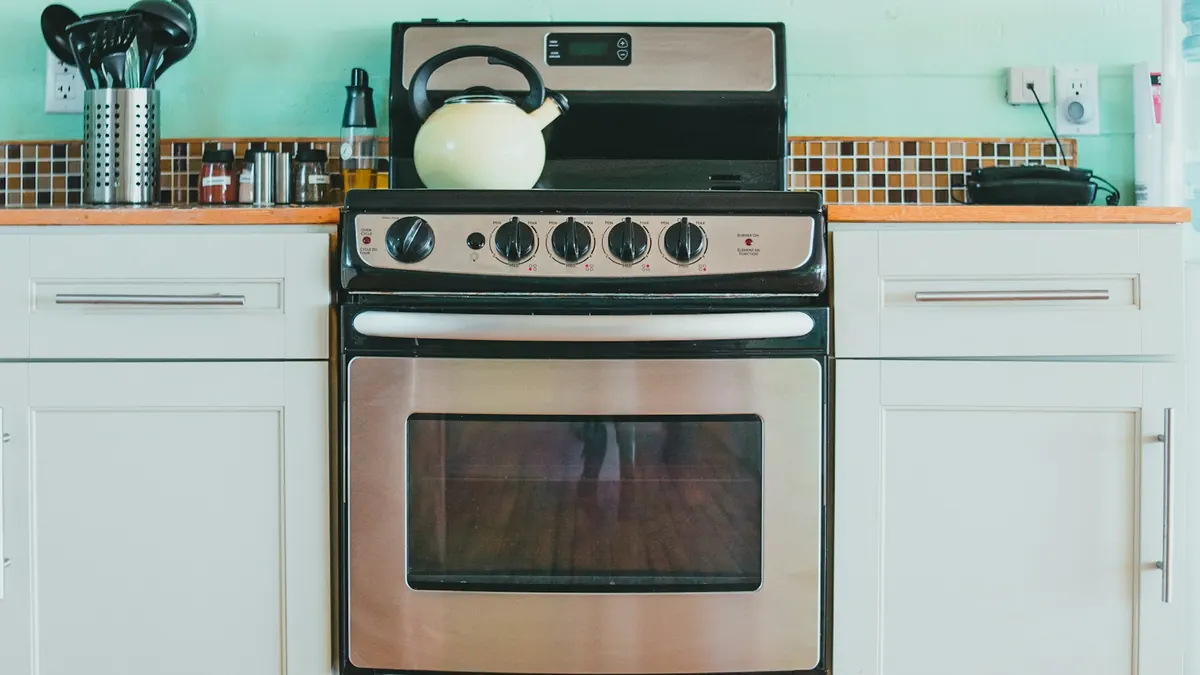
- Inside the cavity: the base, back wall, sides and roof, including around the fan cover and the element.
- The door glass: inside, outside and, on most ovens, the gap between the panes where grease and crumbs collect.
- Racks, rack runners and trays: baked-on grease on the racks is very visible.
- Door seal and hinges: grime builds up in the folds of the rubber seal.
- Control knobs and the panel above them.
- The grill and the drawer underneath, if your oven has them.
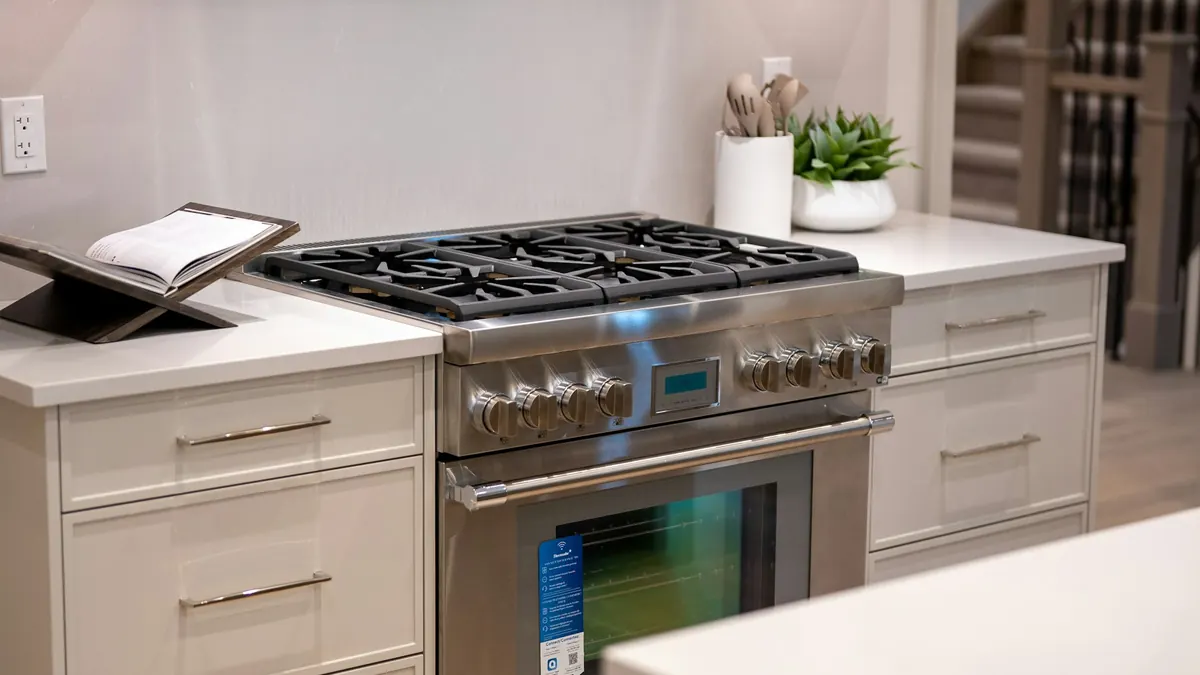
What you'll need
- Bicarb soda and white vinegar (or a non-caustic oven cleaner if the grease is heavy).
- A spray bottle, a plastic scraper or old card, non-scratch scourers and microfibre cloths.
- Rubber gloves, old towels and a bin bag.
- A laundry tub or bath for soaking the racks.
Avoid steel wool on enamel or glass. Scratches can be recorded as damage, which is worse than a little leftover grease.
Step by step
- Start the night before. Turn the oven off and let it cool completely. Remove the racks, trays and rack runners.
- Soak the racks. Lay an old towel in the laundry tub or bath (to stop scratches), add the racks, cover with hot water and a cup of bicarb soda plus a squirt of dishwashing liquid. Leave them overnight.
- Apply a bicarb paste to the inside. Mix bicarb soda with a little water into a spreadable paste and coat the base, walls and inside of the door glass. Keep it off the element and the fan. Leave it overnight; it turns brown as it lifts the grease.
- Scrape and wipe. Next morning, use the plastic scraper to lift the paste, then wipe with a damp cloth. Spray vinegar on any white residue left behind; it fizzes and wipes away.
- Do the glass properly. Clean both sides of the door glass. If your oven door comes apart (check the manual), clean between the panes. Agents often look at the glass at an angle against the light.
- Scrub the racks. After the soak, the grease should come off with a non-scratch scourer. Rinse, dry and put them back.
- Finish the details. Wipe the door seal (gently, without stretching it), the hinges, the control knobs and the panel. Pull out the bottom drawer and clean inside it and the floor underneath.
- Final check with a torch. Shine your phone torch across every surface. Streaks and missed spots show up instantly. Then take photos for your records.
How long it takes
| Oven condition | Hands-on time | Plus |
|---|---|---|
| Light (cleaned regularly) | About 1 hour | Overnight soak recommended |
| Average (a year of use) | 1.5 to 2.5 hours | Overnight soak and paste |
| Heavy (baked-on, smoke marks) | 3 hours or more | May need a second round or a professional |
These are typical ranges, not guarantees. A heavily neglected oven can take far longer, which is why it's worth starting a few days before your bond clean rather than on the final morning.
Don't forget the rest of the cooking area
An agent who checks the oven will also look at the stovetop, the splashback behind it and the rangehood. Rangehood filters are a common miss: most metal filters can be soaked in hot water with dishwashing liquid or bicarb, then rinsed. Our bond cleaning checklist covers the whole kitchen item by item.
When to leave it to a professional
If the oven hasn't been cleaned in years, has carbonised grease on the glass, or you're short on time before the keys go back, a professional clean is often the cheaper option once you count your hours. Every ECO Cleaning Brisbane bond clean includes one standard oven clean, and a second or heavily soiled oven is from $50 extra. See our bond cleaning prices or use the instant estimate on that page to price your whole clean in under a minute.
For the bigger picture of the final inspection, read what real estate agents check at a Brisbane bond inspection, or book end of lease cleaning in Brisbane with our 7-day bond back guarantee.
Frequently asked questions
Is the oven included in a bond clean?
In ours, yes. Every ECO Cleaning Brisbane bond clean includes one standard oven clean; a second or heavily soiled oven is from $50 extra.
Can I use an oven cleaner spray instead of bicarb?
Yes. A non-caustic oven cleaner works faster on heavy grease. Follow the label, ventilate the kitchen, and keep it off the element and the fan.
Do agents check between the panes of the oven door?
Many do. Grease and crumbs between the panes are a common reason for a re-clean request.

Written by the ECO Cleaning Brisbane teamWe're a locally owned bond cleaning company that has cleaned Brisbane rentals for over 10 years, working to the same checklists property managers use at the final inspection. About us.